
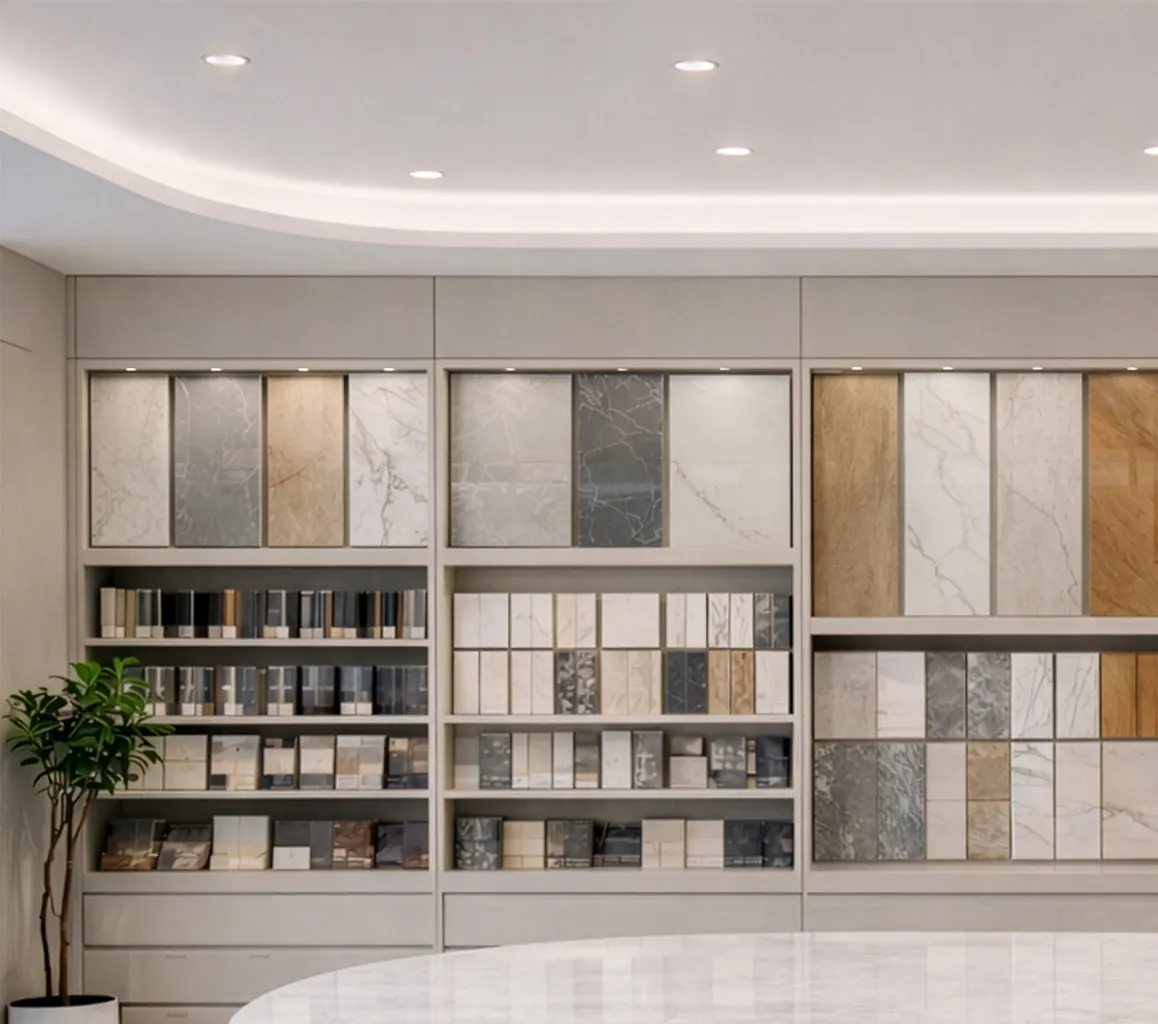
Renovating the common areas of a condominium calls for planning built around an occupied building. The syndicate frames the decisions, protects access, keeps residents informed and respects the declaration of co-ownership.

General Contractor for Condominium Common Area Renovation and Rental Properties
Renovating the common areas of a condominium calls for planning built around an occupied building. The syndicate frames the decisions, protects access, keeps residents informed and respects the declaration of co-ownership.
Korvell works with syndicates of co-owners, boards and property managers to modernize lobbies, corridors, stairwells and common rooms, from initial assessment to the end-of-project report.
Want to modernize the shared spaces in your building?
The common areas serve co-owners, tenants, visitors and maintenance crews every day. Their design balances appearance, durability, safety, circulation and ease of upkeep. Depending on the building, the project can:
Korvell first reviews the condition of the spaces, traffic levels and access constraints, so the solutions match the budget and what unit owners need.
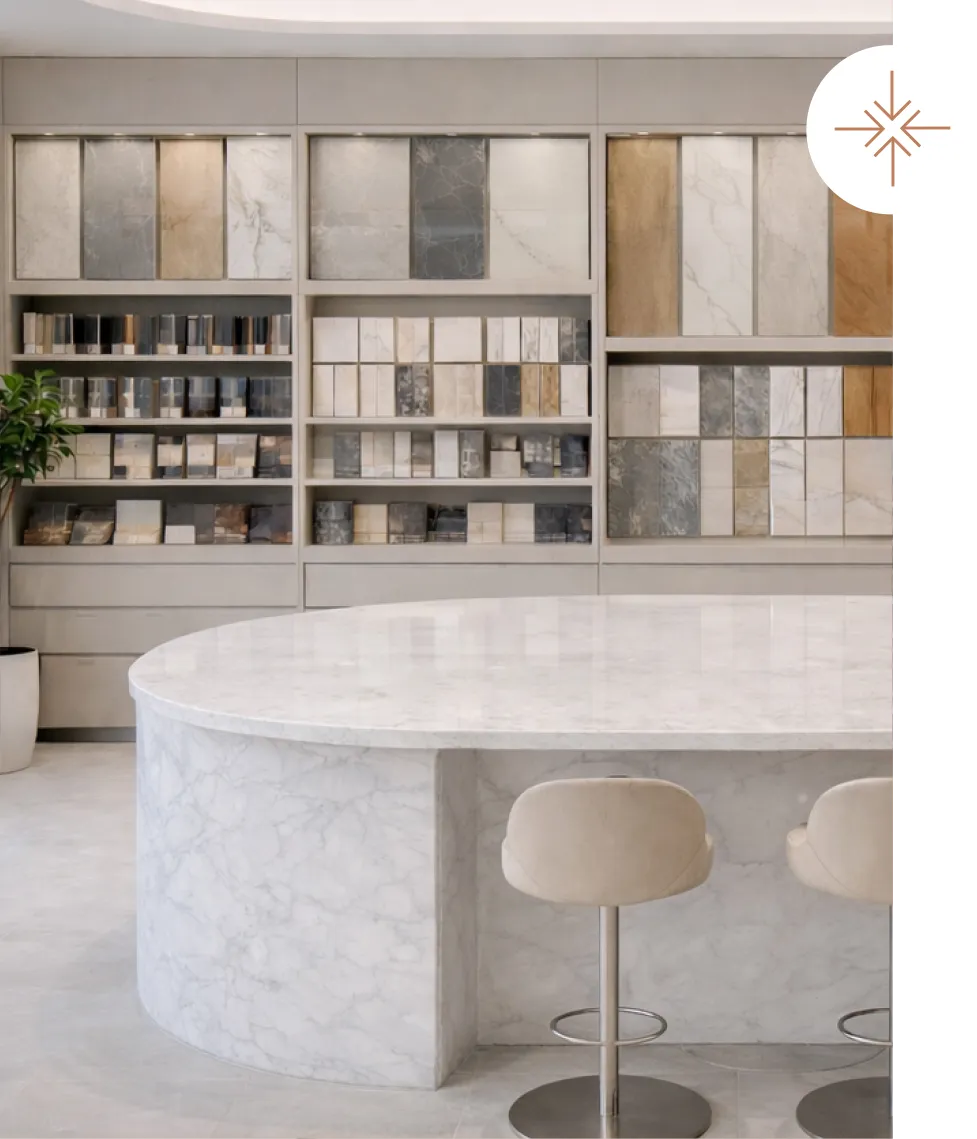

Korvell works in the collective spaces of residential and commercial condos.
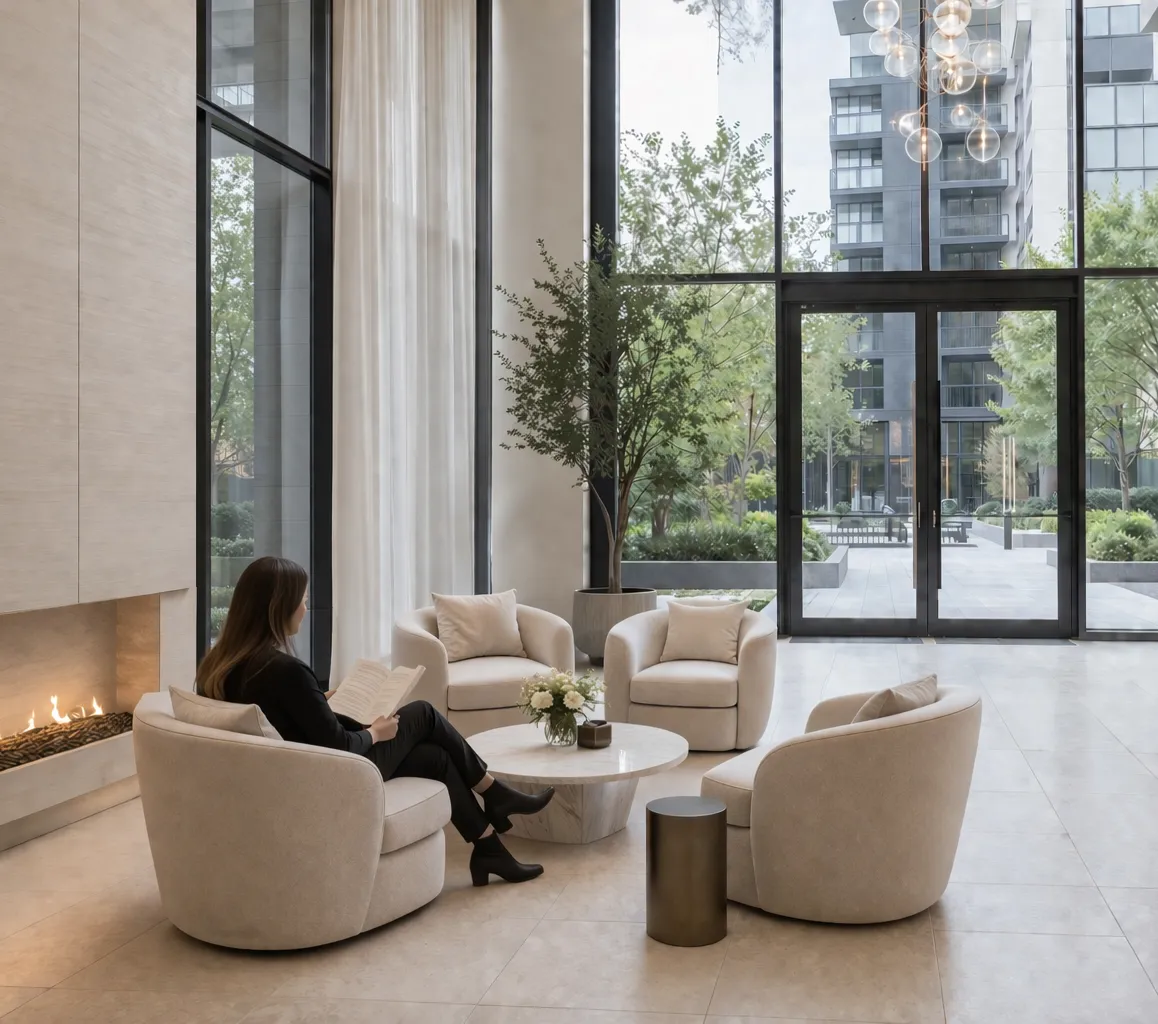
Entrances shape how the building is perceived. Work can cover flooring, walls, millwork, ceilings, lighting and signage, with materials chosen for resistance to traffic.
A corridor absorbs daily traffic, moving days and cleaning operations. Work can include floor coverings, paint, mouldings, light fixtures and doors, phased by zone or by floor so usable routes stay open.
Stairs and landings carry much of the movement through the building. Work can involve treads, guardrails, walls, doors, lighting and finishes, planned around the access that must stay open.
A shared lounge, meeting room, fitness room or multipurpose space can be realigned with what occupants use it for today. Korvell coordinates the layout, materials, lighting and equipment.
A shared storage room can be reorganized to ease circulation and use the floor area better. Work can also reach certain parking rooms, with the scope set by the declaration.
In a Quebec divided co-ownership, each fraction includes a private portion and a common interest in the common areas.
A private portion belongs to one co-owner alone. The declaration of co-ownership and the descriptive statement of fractions are the governing documents that classify each part of the building and govern the use of common areas, called common elements elsewhere in Canada. They can include:
A common area for restricted use, the equivalent of a limited common element, stays collective property while its use is reserved to one or more fractions. A balcony, a parking space or a locker can be reserved for the exclusive use of one co-owner.
Exclusive use does not make the space private. Responsibility for maintaining and repairing it has to be verified before the site opens.
The syndicate of co-owners organizes the upkeep and administration of the common areas. Its board frames the work required and sees that the building’s documents are respected. Before the site opens, the syndicate weighs:
That responsibility does not stop at hiring a contractor. Korvell acts as a general contractor specialized in co-ownership, working inside the framework the board approves.
Work in an occupied condo calls for close management of movement, noise, dust and temporary closures. The velvet-glove support from Korvell can include:
This reduces irritants and gives co-owners consistent information during the work.
Korvell specializes in condominiums and rental buildings. That focus is why we understand the responsibilities of the syndicate, the constraints of an occupied building and the concerns of unit owners.
Every project runs through a 42-step method, from initial assessment to final delivery, which keeps the trades coordinated.
The syndicate and the manager get a real-time tracking platform that centralizes project information and the next steps.
Our team coordinates notices to residents, protected access, noisy work and dust control.
Through the Korvell Signature Space, the syndicate compares materials and finishes in one place.
Your project gets:
Read more about Korvell and its co-ownership expertise or our specialized services for condominiums.
A well-prepared project lets the syndicate structure its decisions and speak clearly to occupants. Korvell handles the coordination, the materials and the site organization, so the board keeps a clear view of progress.
Tell us which shared spaces you want to modernize.
A private portion belongs to one co-owner alone. A common area belongs collectively to all co-owners. The declaration of co-ownership classifies each part of the building.
It belongs collectively to the co-owners, but its use is reserved to one or more fractions. Certain balconies, lockers and parking spaces carry this status.
The syndicate of co-owners is responsible for the upkeep and administration of the common areas. The declaration can also split certain obligations.
Check the declaration of co-ownership. A balcony is often a common area for restricted use, reserved for one co-owner.
A parking space can be a private portion, a common area, or a common area for restricted use. Check the declaration of co-ownership.
